

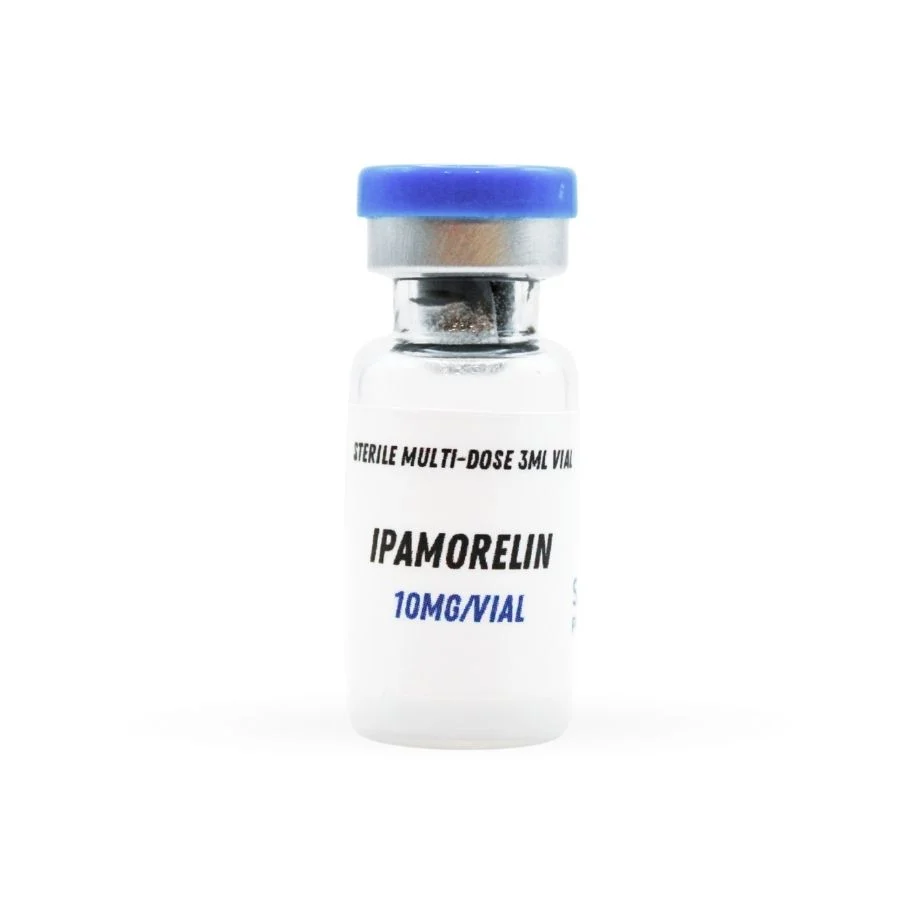
Ipamorelin
$29.99
Selective Growth Hormone Secretagogue (GHS) for Endocrine Research
Ipamorelin is intended solely for laboratory research purposes. It is not approved for human or animal administration and must not be used for therapeutic, diagnostic, or clinical applications. Handling is restricted to licensed and trained researchers.
$29.99
Description
Overview
Ipamorelin is a highly selective growth hormone secretagogue (GHS) studied for its ability to stimulate endogenous growth hormone release without significantly influencing cortisol, prolactin, or other hormonal pathways. Due to its targeted activity and favorable selectivity profile, Ipamorelin is widely used in preclinical research investigating growth hormone physiology, tissue repair mechanisms, and metabolic regulation.
Preclinical Research Background
Animal and cellular studies have examined Ipamorelin for its potential to:
- Stimulate GH secretion through activation of ghrelin (GHS-R1a) receptors
- Enhance anabolic signaling pathways associated with GH release
- Promote tissue repair and recovery in soft-tissue models
- Influence metabolic processes such as nutrient partitioning
- Demonstrate selective endocrine effects, avoiding excessive ACTH or cortisol elevations
Its specificity distinguishes Ipamorelin from earlier-generation GH secretagogues.
Key Findings in Early Research
Preclinical models suggest Ipamorelin may contribute to:
- Improved recovery from musculoskeletal stress or injury
- Increased protein synthesis in target tissues
- Enhanced growth hormone pulsatility
- Better regulation of body composition pathways
- Maintenance of normal appetite and digestive signaling compared to less selective secretagogues
These effects have made Ipamorelin a prominent compound in studies exploring endocrine and regenerative biology.
Areas of Emerging Scientific Interest
Researchers continue to study Ipamorelin for its potential relevance in:
- Age-related decline in GH and IGF-1 signaling
- Muscle wasting and catabolism under disease or stress conditions
- Tissue regeneration and post-injury recovery
- Bone density research models
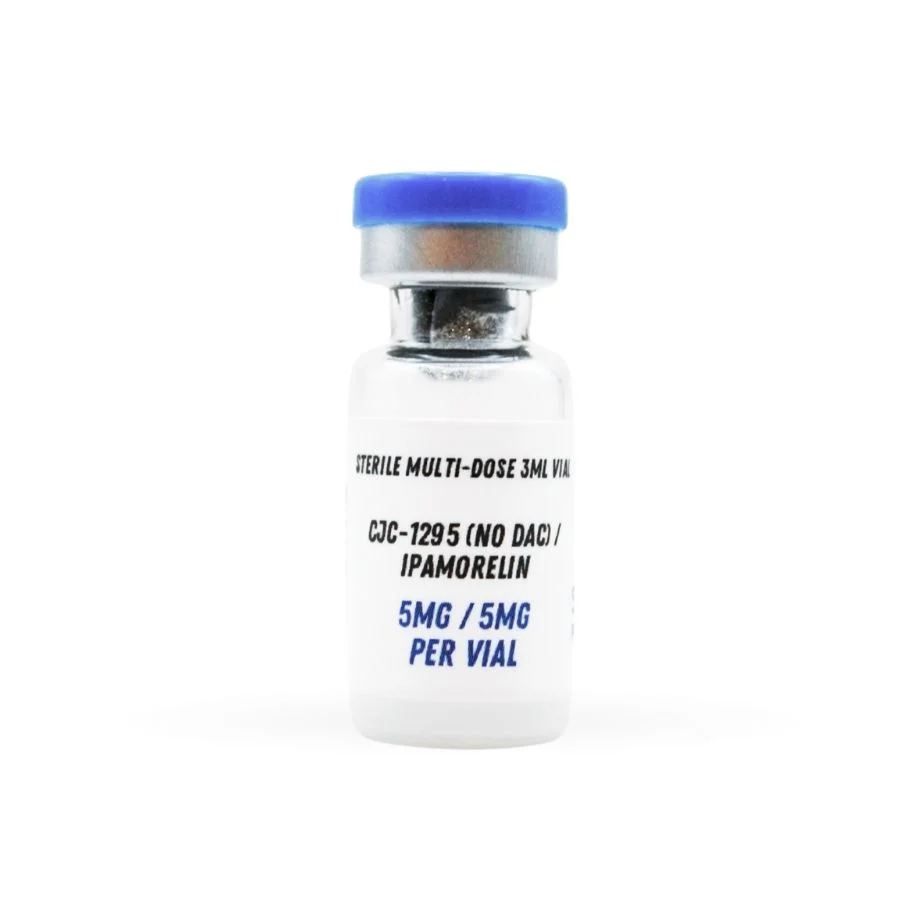
- Combined use with GHRH analogs (e.g., CJC-1295) in dual-pathway GH-axis studies
Its clean receptor profile has solidified its role as a preferred molecule in GH-related research.
Additional Information
| mg/vial | 5mg/vial, 10mg/vial |
|---|
COA / HPLC / MS


Related Products

Reviews
There are no reviews yet.