

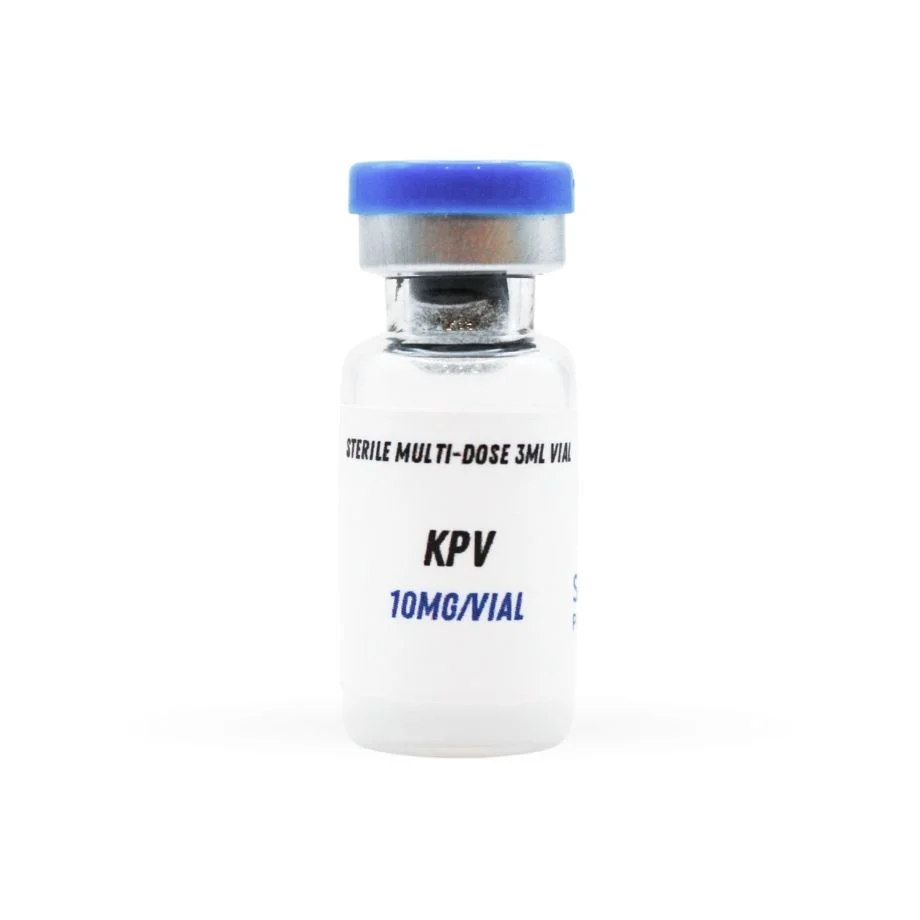
KPV
$34.99
Anti-Inflammatory Tripeptide for Immunomodulatory & Tissue Research
KPV is supplied strictly for laboratory research purposes. It is not approved for human or animal administration and must not be used for therapeutic, diagnostic, or clinical purposes. Handling is restricted to trained and authorized research professionals.
$34.99
Description
Overview
KPV is a naturally occurring tripeptide fragment derived from the C-terminal end of alpha-MSH (alpha-melanocyte-stimulating hormone). It has been widely studied in preclinical models for its potent anti-inflammatory, immunomodulatory, and tissue-protective properties. Due to its ability to interact with melanocortin pathways without affecting pigmentation, KPV is frequently used in research involving inflammation, gut health, skin integrity, and wound repair.
Preclinical Research Background
Experimental studies suggest that KPV may:
- Reduce inflammation by modulating cytokine activity
- Protect epithelial tissues, especially within the gastrointestinal tract
- Support wound healing and tissue repair
- Influence immune-cell signaling
- Exert antimicrobial and barrier-protective effects
These findings have positioned KPV as a promising molecule in studies involving inflammatory and barrier-related conditions.
Key Findings in Early Research
In cellular and animal models, KPV has demonstrated potential roles in:
- Reducing pro-inflammatory cytokines such as TNF-α and IL-6
- Supporting gut epithelial integrity in colitis or IBD-related research
- Promoting dermal repair and reducing redness or irritation
- Enhancing barrier function in skin and mucosal tissues
- Modulating melanocortin receptor activity with minimal systemic side effects
KPV’s short structure and stability make it especially suitable for topical, gastrointestinal, and systemic research models.
Areas of Emerging Scientific Interest
Researchers continue to explore KPV for its potential relevance in:
- Inflammatory bowel disease (IBD) and gastrointestinal mucosal protection
- Dermatological research, including eczema, dermatitis, and wound healing
- Studies of immune dysregulation and chronic inflammation
- Tissue regeneration models involving epithelial repair
- Antimicrobial pathways and host-defense mechanisms
Its dual anti-inflammatory and protective actions provide a broad landscape for ongoing scientific study.
Additional Information
| mg/vial | 5mg/vial, 10mg/vial |
|---|
COA / HPLC / MS
Related Products
Reviews
There are no reviews yet.