

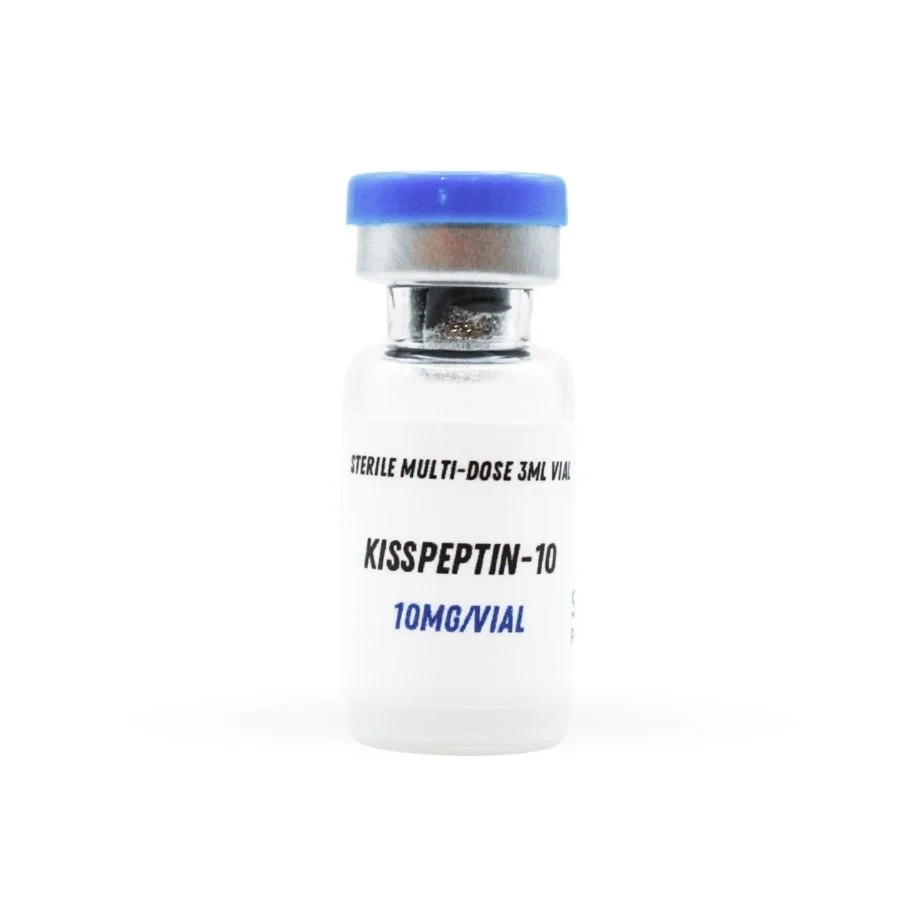
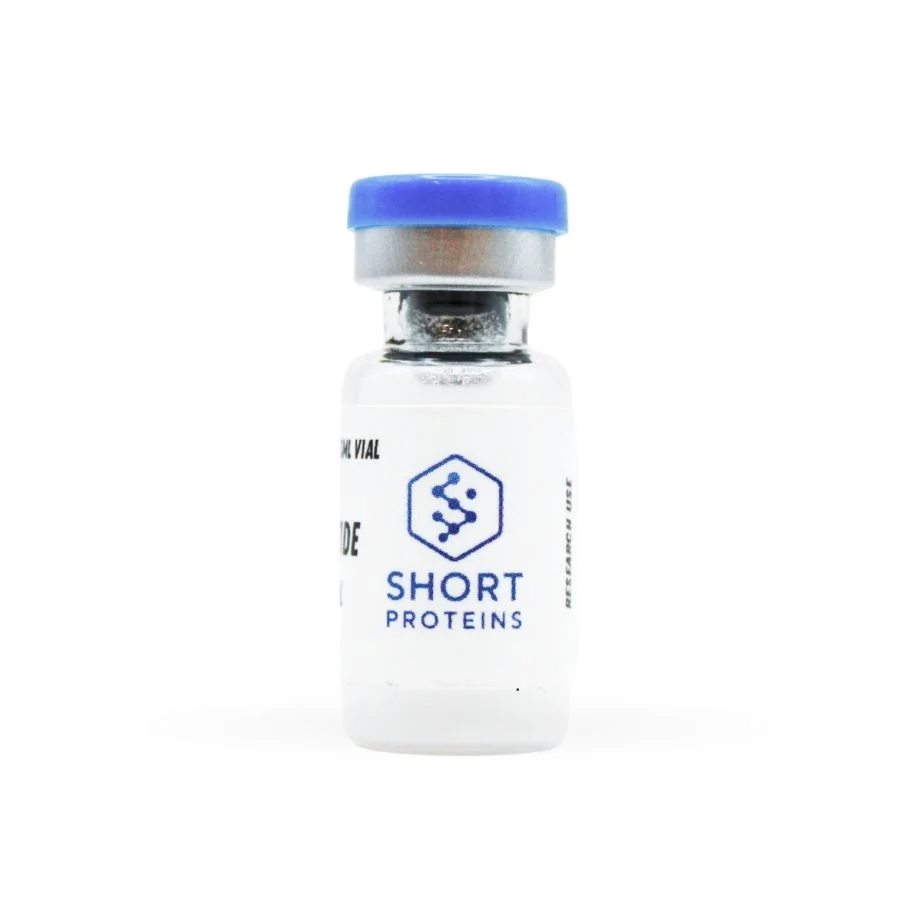
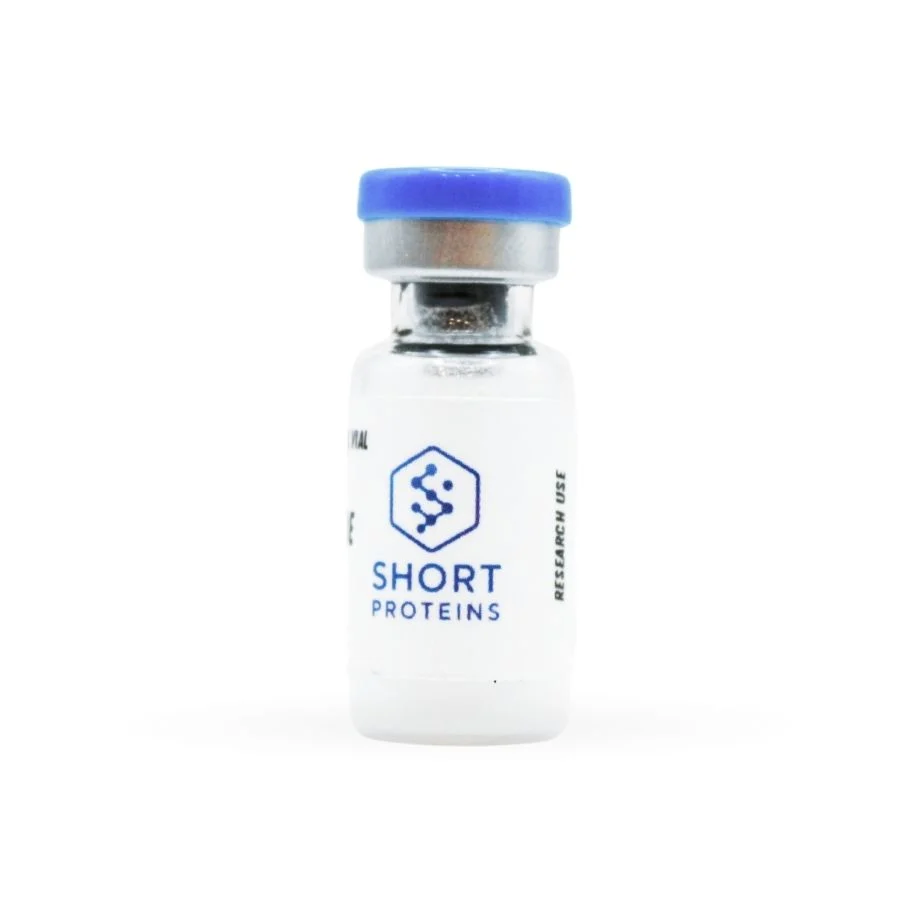
Kisspeptin-10
$54.99
In stock (can be backordered)
Neuropeptide Fragment for Reproductive, Endocrine & Neuroendocrine Research
Overview
Kisspeptin-10 is a synthetic decapeptide fragment derived from the endogenous kisspeptin family of neuropeptides, which are critical regulators of the hypothalamic–pituitary–gonadal (HPG) axis. Kisspeptin signaling is essential for triggering GnRH (gonadotropin-releasing hormone) release, thereby influencing reproductive hormone cascades, puberty onset, and fertility-related endocrine functions.
As such, Kisspeptin-10 is widely utilized in preclinical studies involving reproductive physiology, hormonal regulation, and neuroendocrine control mechanisms.
$54.99
In stock (can be backordered)
Description
Kisspeptin-10
Neuropeptide Fragment for Reproductive, Endocrine & Neuroendocrine Research
Overview
Kisspeptin-10 is a synthetic decapeptide fragment derived from the endogenous kisspeptin family of neuropeptides, which are critical regulators of the hypothalamic–pituitary–gonadal (HPG) axis. Kisspeptin signaling is essential for triggering GnRH (gonadotropin-releasing hormone) release, thereby influencing reproductive hormone cascades, puberty onset, and fertility-related endocrine functions.
As such, Kisspeptin-10 is widely utilized in preclinical studies involving reproductive physiology, hormonal regulation, and neuroendocrine control mechanisms.
Preclinical Research Background
Animal and cellular studies suggest that Kisspeptin-10 may:
- Stimulate GnRH secretion from hypothalamic neurons
- Increase downstream LH and FSH levels in the HPG axis
- Regulate reproductive maturation, including puberty onset
- Modulate sexual behavior and reproductive cycles
- Interface with metabolic and stress-related neuroendocrine pathways
Its central role in reproductive signaling makes Kisspeptin-10 a foundational molecule in endocrine research.
Key Findings in Early Research
Preclinical models indicate Kisspeptin-10 may:
- Influence fertility-related hormonal surges (LH/FSH release)
- Affect ovarian and testicular signaling pathways
- Regulate hypothalamic reproductive circuits via KISS1R activation
- Participate in metabolic–reproductive integration (energy status + fertility)
- Impact behaviors associated with reproduction and mating
Additionally, Kisspeptin-10 is often used to study infertility, hypogonadism, and reproductive senescence models.
Areas of Emerging Scientific Interest
Current research continues to explore Kisspeptin-10 in:
- Puberty regulation and developmental endocrinology
- Polycystic ovary syndrome (PCOS) and reproductive dysfunction
- Male reproductive signaling, spermatogenesis, and androgen pathways
- Stress, appetite, and reproductive axis interactions
- Neuroendocrine disorders impacting GnRH secretion
- Models involving metabolic fertility links (energy balance + reproduction)
Its ability to activate KISS1R with high potency makes it valuable for both reproductive and neuroendocrine studies.
Research-Use Only Disclaimer
Kisspeptin-10 is provided strictly for laboratory research purposes. It is not approved for human or animal administration and must not be used for therapeutic, diagnostic, or clinical applications. Handling is restricted to trained and licensed research professionals in controlled laboratory environments.
Additional Information
| mg/vial | 2mg/vial, 10mg/vial, 5mg/vial * 1vial |
|---|
COA / HPLC / MS
COA_Kisspeptin10_quant_2025-10-22_20251110
COA_Kisspeptin10_quant_2025-10-22_20251110
COA_Kisspeptin10_quant_2025-10-22_20251110
COA_Kisspeptin10_quant_2025-10-22_20251110
Related Products

Reviews
There are no reviews yet.